Optimal Water Treatment Timing
Water treatments are essential for maintaining water quality and ensuring the safety of water supplies. Proper timing of treatments can enhance effectiveness, prevent the buildup of contaminants, and extend the lifespan of water systems. Seasonal considerations, water usage patterns, and environmental factors influence the ideal timing for water treatments.
Adjusting water treatment routines based on seasonal changes helps address temperature fluctuations and water demand variations.
Regular testing identifies the best times to apply treatments, especially when contamination levels fluctuate.
Scheduling treatments before peak usage periods can prevent issues such as corrosion or microbial growth.
Weather patterns and water source conditions influence the timing of effective water treatments.
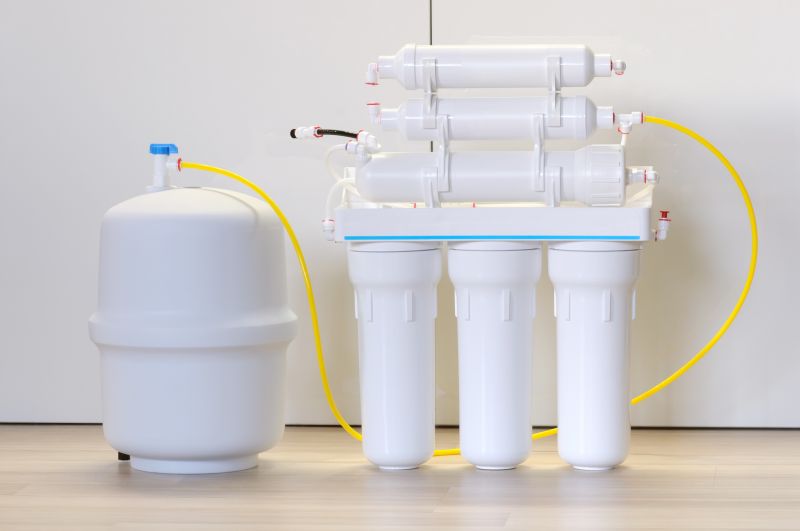
Ways to make Water Treatments work in tight or awkward layouts.
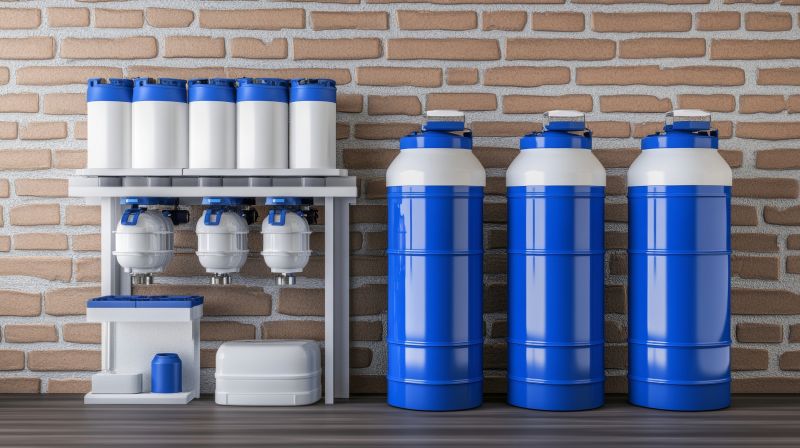
Popular materials for Water Treatments and why they hold up over time.
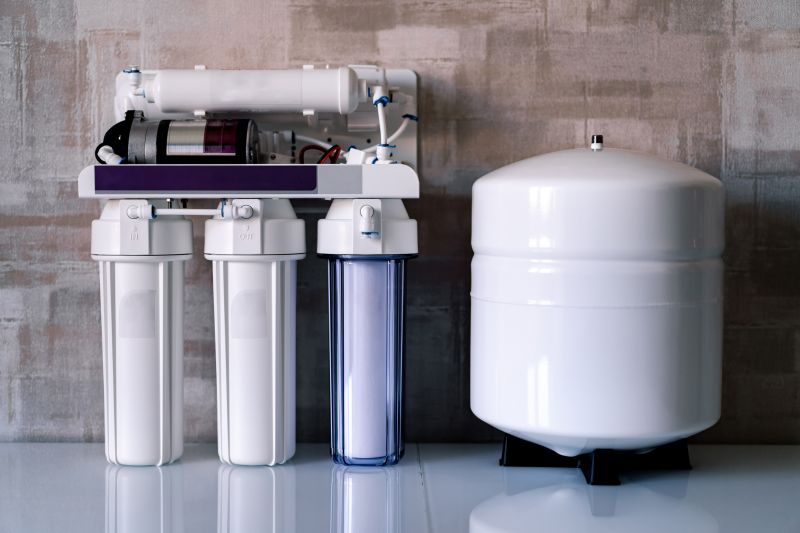
Simple add-ons that improve Water Treatments without blowing the budget.
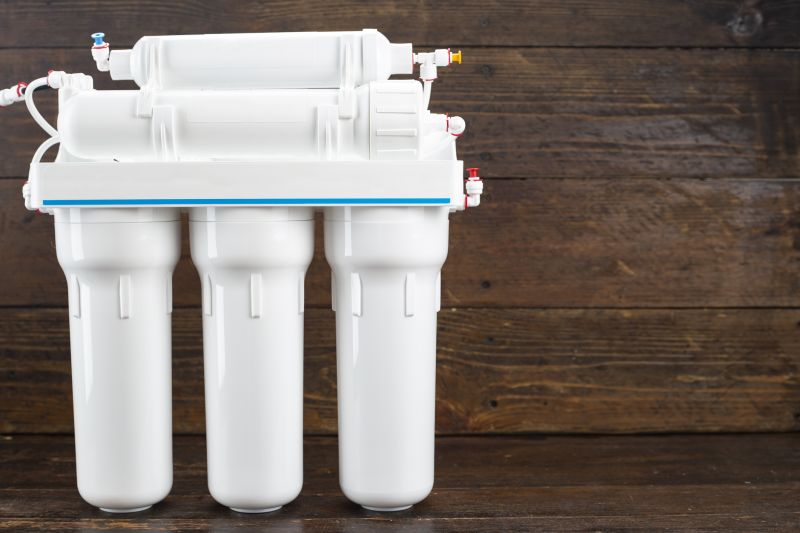
High-end options that actually feel worth it for Water Treatments.
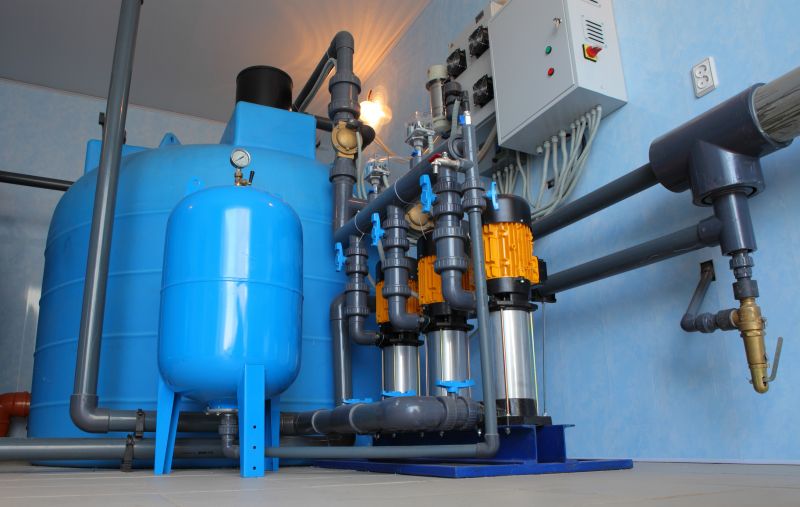
Finishes and colors that play nicely with Water Treatments.
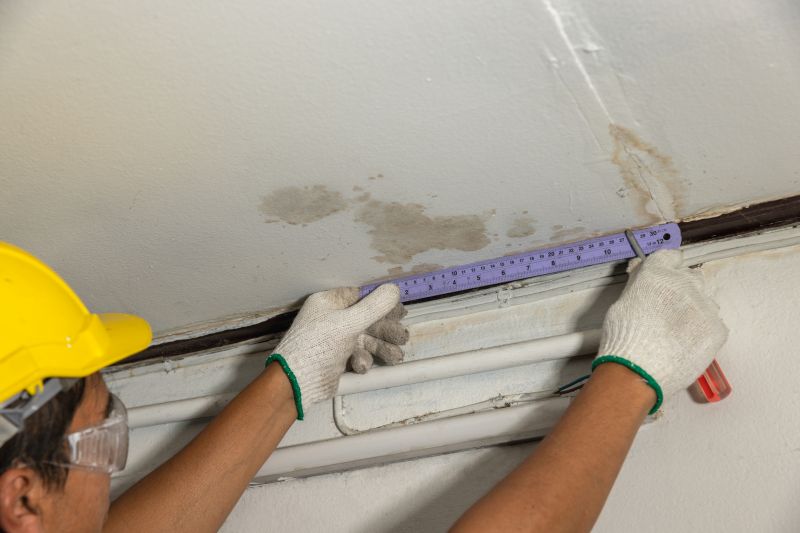
Little measurements that prevent headaches on Water Treatments day.
| Timing Consideration | Best Practice |
|---|---|
| Spring | Begin treatments early to prevent algae growth and microbial buildup. |
| Summer | Increase treatment frequency due to higher temperatures and usage. |
| Fall | Perform maintenance before cooler temperatures reduce microbial activity. |
| Winter | Schedule treatments to address potential freezing issues and water quality fluctuations. |
| Post-Heavy Rain | Treat to address runoff contaminants and sediment buildup. |
| Pre-Seasonal Changes | Adjust treatments ahead of seasonal transitions for optimal results. |
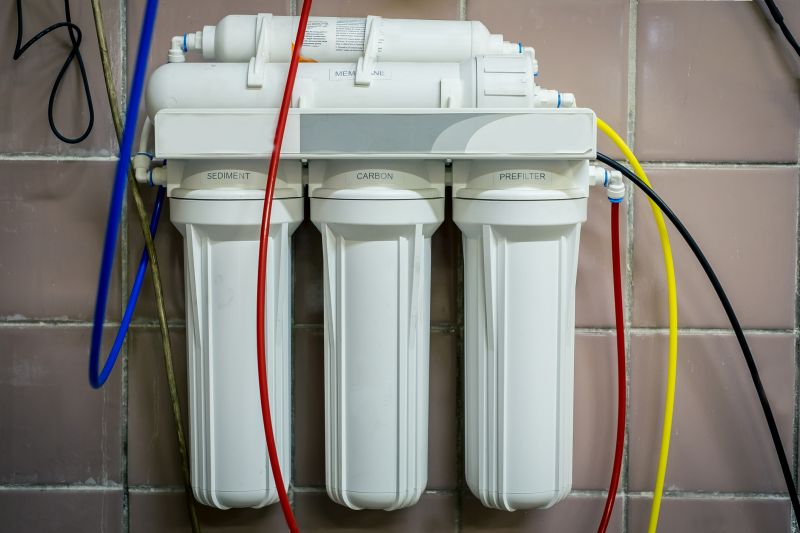
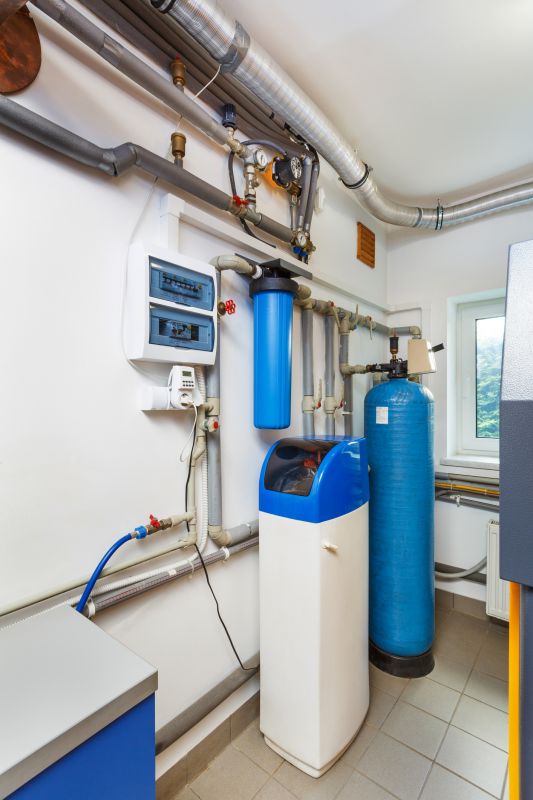
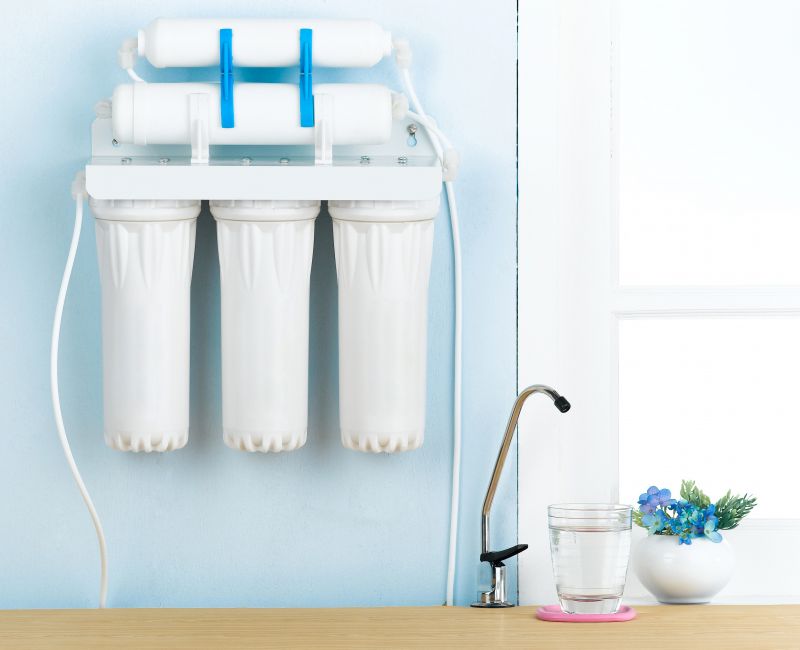
Water treatments encompass a variety of methods including chemical disinfection, filtration, and pH adjustment. These processes are vital for removing harmful pathogens, reducing sediment, and balancing water chemistry. Proper timing ensures treatments are most effective, reducing risks associated with microbial contamination, corrosion, and sediment accumulation. Effective scheduling also minimizes treatment costs and system downtime, contributing to consistent water quality.
A 60-second routine that keeps Water Treatments looking new.
A frequent mistake in Water Treatments and how to dodge it.
Small tweaks to make Water Treatments safer and easier to use.
Lower-waste or water-saving choices for Water Treatments.
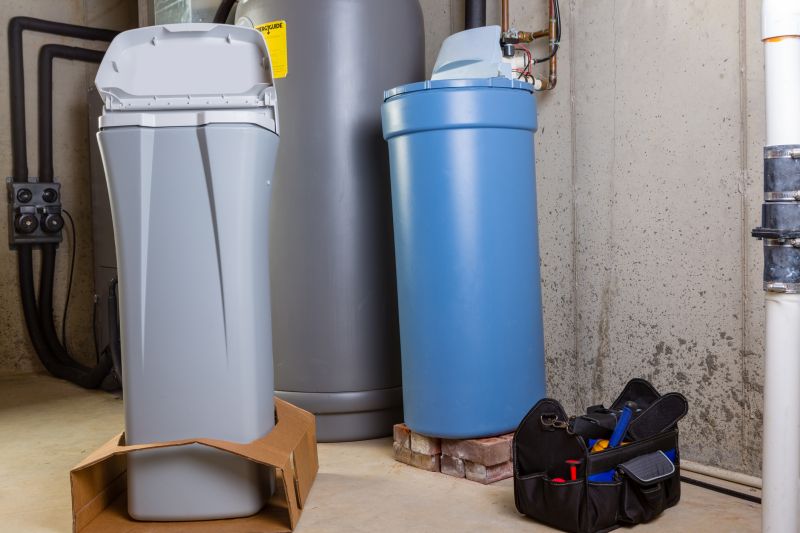
The short, realistic tool list for quality Water Treatments.
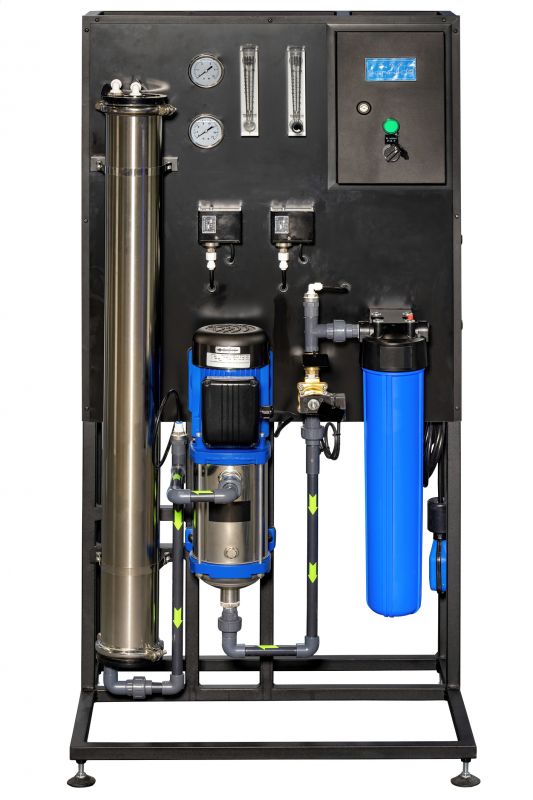
Rough timing from prep to clean-up for Water Treatments.
Interested parties are encouraged to contact for more information on scheduling water treatments. Proper timing can improve water quality, reduce operational costs, and ensure compliance with local standards. Professionals can assist in developing a tailored treatment schedule based on specific water system needs and local conditions.